
Arrest Warrants in Colfax County
Neb. Rev. Stat. §29-404 sets the entry point. A magistrate may issue an arrest warrant after reviewing a written complaint signed by a prosecuting attorney or complainant. Reasonable grounds to believe the charged offense occurred must appear on the face of that complaint. Once signed, the warrant starts criminal process. Colfax County Court handles the felony preliminary-hearing work. Felony trial records then move to District Court. The warrant itself is directed to the Sheriff, a city or village marshal, or a police officer, and it commands that officer to bring the accused before the issuing court or another authorized magistrate. Bond and release terms are set court by court, and Colfax County publishes no set schedule for them.
How §29-404 Starts a Colfax Arrest Warrant
Everything begins with a written complaint in Colfax County. A judicial officer reads it and tests it against the statutory reasonable-grounds standard. If an arrest warrant issues, the court record can identify the accusation, the court, the date, and the command to arrest. The underlying charge stays a separate part of the case. Read the state rule yourself in the official §29-404 text. For a local file, ask the County Court or District Court clerk which office holds the complaint or warrant.
What a Colfax County Arrest Warrant Contains
Colfax County publishes no warrant-number format or live status code. Blank state forms and statutes tell you what to expect. A warrant usually shows the court and county, the case number, and the offense. It also lists the accused, the issuing date, the judge or magistrate, the executing agency, the command, bond or release terms, and an officer return.
| Issuing court | County Court or District Court, depending on the case stage and jurisdiction. |
|---|---|
| Complaint and offense | The substance of the accusation and the statute or ordinance involved. |
| Command | Direction to a Sheriff, marshal, police officer, or other authorized peace officer. |
| Release block | Bond amount, type, or conditions when the court orders them. |
| Return | Officer report of service, execution, or other action back to court. |
| Restrictions | Sealed complaints, investigative support, juvenile information, and protected identifiers may be withheld. |
County Court Preliminary Hearings and District Court Felony Trials
A felony question in Colfax County can touch both courts. County Court runs the preliminary stage, which may include the initial warrant, arraignment, and bail. District Court keeps the file once a case is bound over for felony trial. Call County Court at 402-352-8511 for the early stage. Call District Court at 402-352-8506 for the trial record. The split applies to records requests too. A Nebraska JUSTICE search can locate a case, but the issuing clerk remains the right source for current warrant status and appearance instructions.
Who Receives the Colfax County Warrant Command
Nebraska §29-406 addresses an arrest warrant to the county sheriff, a city or village marshal, or a police officer. Colfax County Sheriff's Office materials state that the Sheriff serves, executes, and returns writs and other legal process. Schuyler has its own police department. Clarkson's official city page says daily patrol there is contracted to the Colfax County Sheriff. No other village warrant channel is published. Serving the order is not the power to undo it. For bond, hearing, or motion instructions, call the issuing clerk.
Colfax County Sheriff’s Office
411 E 11th Street, fourth floor, Schuyler
(402) 352-8526
Warrants Can Be Executed Anywhere in Nebraska
Under Neb. Rev. Stat. §29-407, a Nebraska warrant can be executed anywhere in the state. Other peace officers must help when asked. After an arrest, §29-412 governs taking the person before the proper magistrate and returning the warrant. That is why a Colfax County process question can involve an officer or a detention location well outside Schuyler. Colfax County runs a six-person local holding cell. Longer stays are contracted to Butler, Platte, and Antelope County facilities. The local jail may not be the overnight stop. Call the Sheriff before a planned appearance and ask which office or facility the court directs.
Sheriff Service and Warrant Returns in Colfax County
The Colfax County Sheriff's page lists legal-process service, custody, patrol, communications, and jail oversight, along with 402-352-8526 and weekday hours of 8:30 a.m. to 4:30 p.m. A county employment notice mentions warrant returns and commitment returns among administrative duties. No warrant sergeant or public list appears. There is no warrant-specific email either.
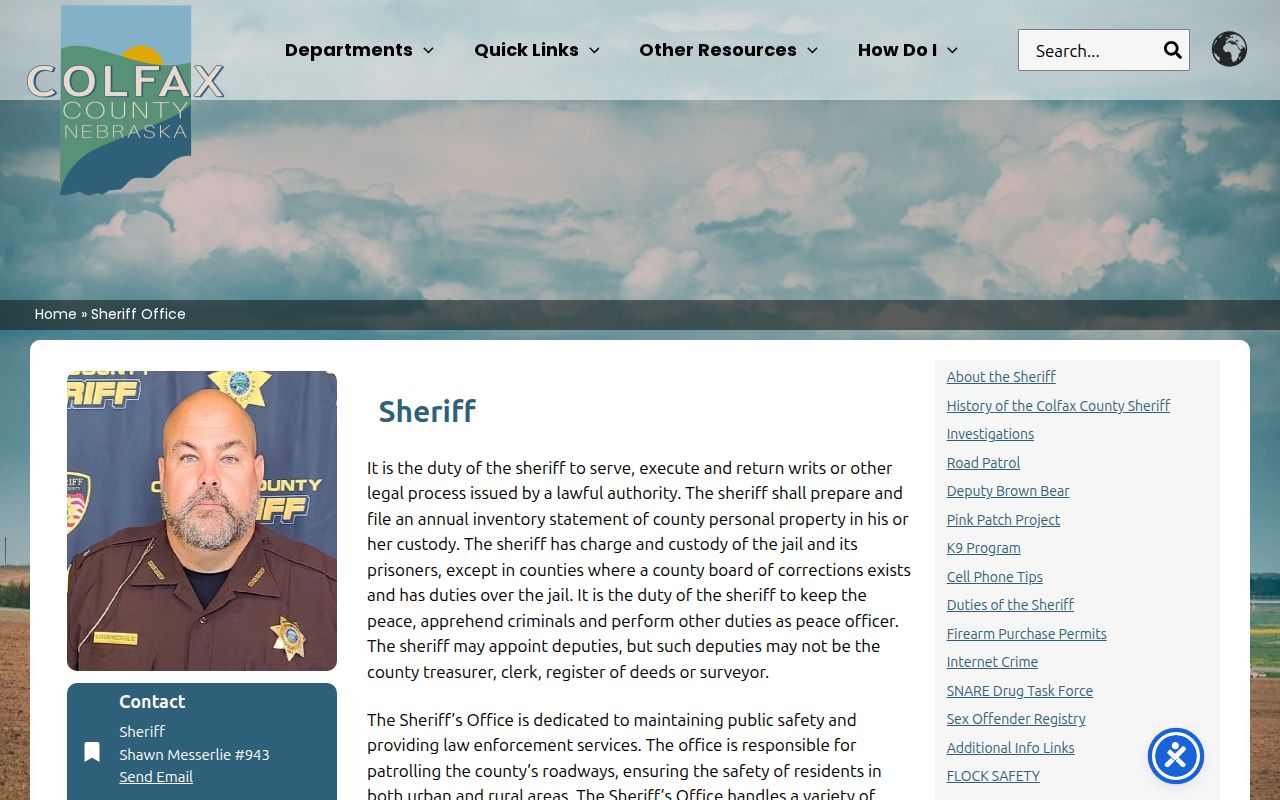
The page confirms the Colfax County Sheriff's service and return function. It offers no roster and confirms no individual warrant.
How to Ask About a Bond Before Appearing
Call the issuing clerk first. Have the case number and date of birth ready. Ask whether a bond is set, what type it is, where payment is accepted, whether an attorney can arrange the appearance, and whether a separate hearing or motion is required. Colfax County publishes no warrant bond schedule, payment portal, or same-day release promise. The CC 13:1.1 Appearance Bond form lists the conditions. Appearance, residence, travel, no-contact, and law-compliance terms all appear there. Its warning is blunt: failure to appear can bring a warrant, penalties, forfeiture, or revocation. A bond secures appearance. It does not end the charge.
Confirm before paying: Ask the issuing court for the exact amount, accepted method, receipt, and whether payment changes warrant status.
Federal Warrants and the U.S. Marshals Layer
Federal warrants run on a different track from anything in Colfax County. Federal judges and magistrates of the U.S. District Court for Nebraska issue them, and the U.S. Marshals Service handles service plus fugitive-task-force work. PACER gives public docket access for federal cases. Still, sealed warrant papers may stay closed, and a docket search is not a live confirmation line. The Marshals' Metro Area Fugitive Task Force posts a 24-hour tip line at 1-888-869-4589. Treat that as federal context, not a Colfax County warrant list. Neither a County Court clerk nor the Colfax Sheriff can clear a federal warrant. The official PACER fee page lays out the federal docket access terms.
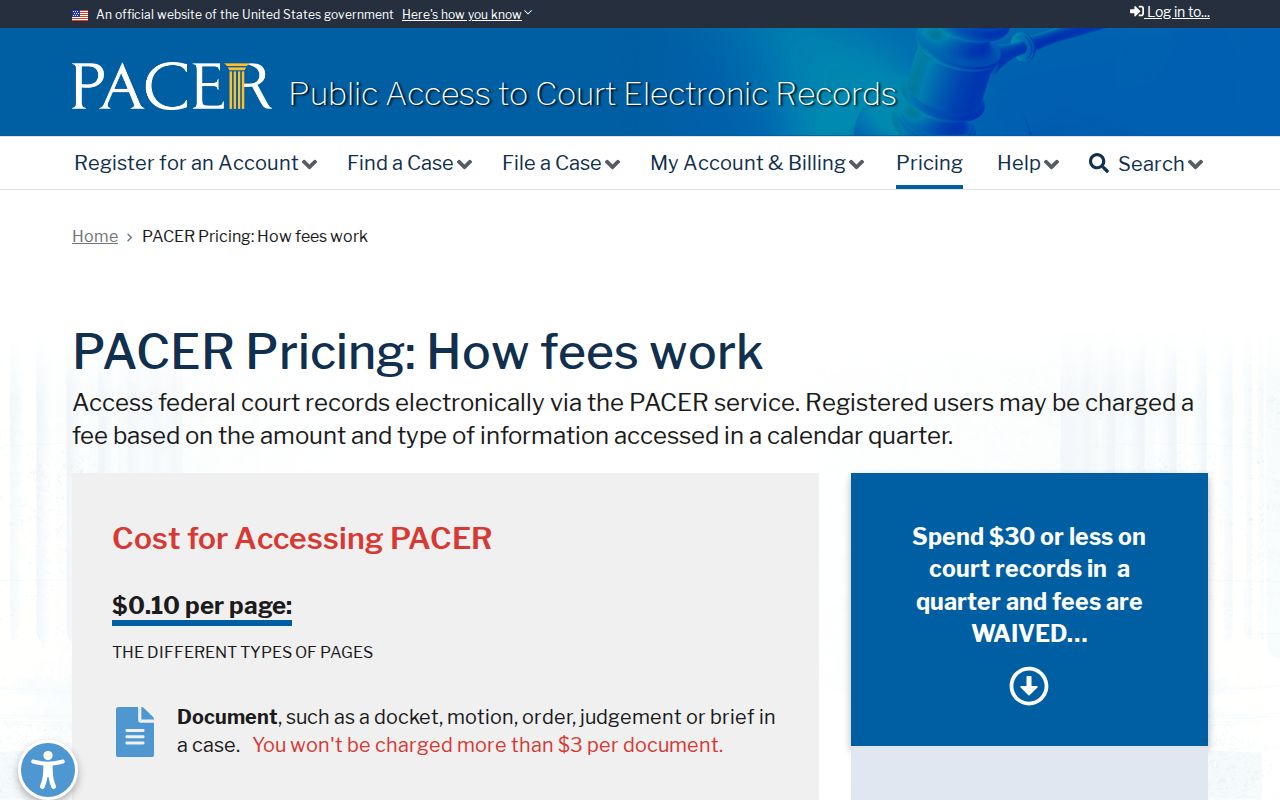
A PACER search does not confirm a live federal warrant, and it cannot replace a federal clerk or U.S. Marshals contact on a Colfax County question.
What to Do If There Is a Colfax County Arrest Warrant
Start with Nebraska JUSTICE to find the case, then confirm details with the issuing clerk. Ask about the current status, the next hearing, bond, a planned appearance, or the attorney procedure. A felony trial file points to District Court. A preliminary hearing or lower-level charge points to County Court. Call the Colfax County Sheriff only for service or holding questions. That office cannot issue a recall order. No clerk or deputy can promise a walk-in surrender or same-day bond. Once the court acts, ask for a docket entry, order, receipt, or other written proof of recall, compliance, or release. The Colfax County warrant records overview shows how these offices fit together.
Plan first: A court or attorney can explain the lawful appearance route before you visit the Sheriff or jail.